Most people think meditation is about “clearing your mind,” but the real power of meditation goes far beyond the mental; it is deeply physiological. Heart Coherence Meditation works by directly influencing the body’s regulatory systems, making it one of the most effective, science-backed meditations for stress. In addition, it strengthens emotional resilience, enhances cognitive performance, rewires your mind, and supports long-term health and longevity. Rather than simply promoting relaxation, this approach actively trains your nervous system, turning meditation into a form of bio-regulation that optimizes how your body and brain function together.
The Heart–Brain Connection and Heart Coherence
Heart coherence is a measurable physiological state in which the body operates in a more synchronized and efficient way. In this state, the heart’s rhythm becomes smooth and ordered, the nervous system comes into balance, and communication between the heart and brain becomes more effective.
The HeartMath Institute has shown that the heart actually sends more signals to the brain than the brain sends to the heart. These signals play a significant role in shaping our emotions, thoughts, perception, and decision-making. This means the heart is not just a pump; it functions as a powerful control center influencing how we think and feel.
When the body is under stress, heart rhythms become irregular and chaotic, which disrupts brain function and reduces mental clarity. In contrast, when you enter a state of coherence, the heart’s rhythms become smooth and rhythmic; this supports positive emotional states, rewires your mind, stabilizes signals to the brain, improves brain performance, decision-making, emotional stability, and overall physiological efficiency.
Research from HeartMath demonstrates that emotions influence physiological responses more powerfully than thoughts alone. In other words, simply thinking positive thoughts is not enough to create meaningful biological change. It is the felt experience of positive emotions, such as gratitude, appreciation, and compassion, that drives improvements in health, emotional resilience, and even longevity.
Why Most People Fail at Meditation
Research shows that meditation has vast benefits. However, most people struggle with meditation because it often feels too abstract and disconnected from real, tangible results. Most traditional meditation techniques focus primarily on calming or quieting the mind. This can be frustrating—especially for individuals dealing with stress, anxiety, or an overactive thought process.
Without a clear sense of progress or immediate feedback, many people assume they are “doing it wrong” and eventually give up. The lack of physical engagement and measurable outcomes makes meditation feel passive rather than effective. While it can be calming, it often overlooks the deeper physiological systems that drive stress, emotions, cognitions, and performance.
Why Heart Coherence Meditation Works Better Than Traditional Meditation
Heart coherence meditation and Joe Dispenza’s meditation address the problems people experience with traditional meditation. It shifts the focus from purely mental effort to physiological regulation. Instead of trying to silence thoughts, it works by actively influencing heart rate variability (HRV), a measurable marker of nervous system balance.
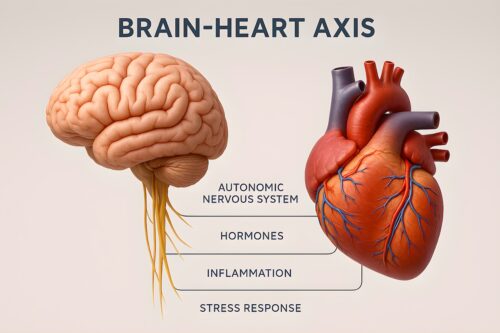
Heart coherence meditation directly targets the heart–brain axis, the dynamic communication pathway between the heart and the brain that plays a central role in emotional and cognitive regulation. This creates a direct and immediate shift in how the body feels, often within minutes, and rewires your mind.
By combining breath, emotion, and physiological awareness, heart coherence integrates the mind, body, and emotional system into a unified process. The result is a meditation practice that feels purposeful, produces noticeable changes quickly, and reinforces itself through real, experienced benefits rather than abstract concepts.
By focusing on the heart, this method creates measurable changes in the body:
- Improves heart rate variability (HRV), a key indicator of resilience and adaptability
- Helps balance the autonomic nervous system by shifting the body out of a stress-driven sympathetic state into a more restorative parasympathetic state
- Reduces cortisol, making it a great meditation for stress
- Increases positive emotional states such as calm, gratitude, and appreciation
- Rewires your mind by training your body to send consistent, stabilizing signals to the brain
These physiological shifts are not just theoretical; they translate into real-world benefits. Studies show that when the heart is in a coherent state, you experience better emotional regulation, increased resilience to stress, and enhanced cognitive function, making heart coherence meditation a more integrated and effective approach than traditional mind-focused practices.
Real Benefits of Heart Coherence Meditation
Heart coherence meditation delivers both immediate and long-term benefits that extend far beyond traditional relaxation techniques.
Immediate Benefits
- It rapidly reduces feelings of anxiety and overwhelm by shifting the nervous system out of a stress response and into a more balanced state
- It improves focus and mental clarity within minutes
- It provides a greater sense of emotional stability, helping you respond more calmly rather than react impulsively
Long-Term Benefits
With consistent practice, the long-term effects of heart coherence become even more impactful:
- Heart coherence strengthens resilience to stress by training the body to recover more efficiently from emotional and physiological strain
- Supports cardiovascular health by improving heart rate variability and autonomic balance
- Enhances cognitive performance through better communication between the heart and brain
- Rewires your mind by synchronizing your thoughts with your emotions
- Heart coherence can improve relationships, allowing you to communicate more clearly, listen more effectively, and respond with greater emotional intelligence
On a deeper level, heart coherence creates a powerful alignment between the mind, emotions, and body. This integration allows for more intuitive decision-making, as internal signals become clearer and less distorted by stress. As a result, you can experience a greater sense of control, inner calm, and overall well-being.
Why This Matters
Heart coherence meditation directly enhances your ability to adapt to stress increase resilience and maintain emotional balance. Instead of relying on willpower or suppression, it trains your body to shift out of stress in real time by regulating your nervous system. As you practice, you develop the ability to stabilize your emotional responses, reduce reactivity, and move into a more calm, controlled state—even in high-pressure situations.
It also functions as a powerful longevity tool. Chronic stress has been strongly associated with cardiovascular disease, hormonal imbalances, and accelerated aging. By creating a coherent physiological state, this meditation helps lower your overall stress load, improve autonomic nervous system balance, and support long-term resilience—key factors in extending both healthspan and lifespan.
Beyond that, heart coherence meditation becomes part of your daily lifestyle for optimizing health and performance. This isn’t just something you do in silence. It’s a practical tool you can apply throughout your day. Whether you’re preparing for a meeting, navigating conflict, recovering after a workout, or winding down before sleep, it allows you to reset your state, rewire your mind, improve focus, and show up with greater clarity and control.
Heart Coherence Meditation Practice: Step-by-Step Protocol
Step 1: Shift Your Attention to Your Heart
- Focus on the center of your chest
- Imagine your breath flowing in and out of your heart
Step 2: Slow Your Breathing
- Inhale for ~5 seconds
- Exhale for ~5 seconds
- Keep it smooth and rhythmic
Step 3: Activate a Positive Emotion
This is the key step. Generate a feeling like:
- Gratitude
- Appreciation
- Care
- Compassion
This changes your heart rhythm pattern.
Step 4: Sustain the State
- Maintain for 3–5 minutes
- Longer (10–15 min) for deeper benefits
Advanced Technique: “Attitude Breathing” (HeartMath Tool)
A powerful variation from HeartMath techniques:
- Identify a negative emotional pattern
- Focus on heart-centered breathing
- Replace it with a new emotional state (e.g., frustration → patience)
- Reinforce throughout the day
This helps reprogram emotional habits at a physiological level.
How to Use Heart Coherence Meditation Daily
Start your day with a brief 3–5 minute heart coherence practice to set your emotional baseline and create a calm, focused foundation for the day ahead. Throughout the day, use quick 1–2 minute resets—especially before stressful situations—to bring your system back into balance and prevent emotional buildup.
In the evening, dedicate 5–10 minutes to downregulate your nervous system, helping your body shift into a restorative state for recovery and sleep. You can also apply heart coherence on demand during moments of anxiety, conflict, or overthinking, using it as a real-time tool to regain control and restore emotional clarity.
Final Takeaway: Meditation as a Performance Tool
Heart coherence meditation is not simply a relaxation technique. It is a method for actively realigning your nervous system, strengthening emotional resilience, and optimizing both performance and longevity. By influencing the heart–brain connection, this practice helps regulate your internal state in real time, rewires your mind, and allows you to respond more effectively and maintain balance under pressure. If you are looking for a meditation practice for stress relief or to improve focus, emotional stability, or long-term health, this form of meditation becomes a non-negotiable daily habit—just like training your body. Heart coherence meditation can be a foundational tool for optimizing both performance and quality of life.
Frequently Asked Questions about Heart Coherence Meditation
Heart coherence meditation is a breathing and emotional regulation technique that synchronizes heart rhythms, brain activity, and the nervous system to improve stress resilience and mental clarity.
It activates the parasympathetic nervous system (rest-and-digest), lowering cortisol and calming the body’s stress response, allowing you to respond to challenges with greater clarity and control.
HRV measures the variation between heartbeats; higher HRV is associated with better adaptability, resilience, and overall health, making it a key marker of heart coherence
Most people experience reduced stress and a sense of calm within minutes, as heart rhythm synchronization begins almost immediately during controlled breathing.
Yes. By sending stable, rhythmic signals from the heart to the brain, it improves emotional regulation, cognitive function, and neural efficiency over time.
Positive emotions such as gratitude, appreciation, compassion, and love promote coherent heart rhythms and enhance brain function and emotional stability.
For best results, practice 2–3 times daily for 3–10 minutes, especially during stressful moments or as part of a daily wellness routine.
Yes. While traditional meditation focuses on the mind, heart coherence focuses on the heart–brain connection and uses breathing and emotion to create measurable physiological changes.
Yes. Regular practice has been linked to improved cardiovascular health, reduced blood pressure, better immune function, and increased overall well-being.
Anyone experiencing stress, anxiety, burnout, or seeking improved focus, emotional balance, and longevity can benefit from this practice.
To a Fitter Healthier You,
Mind-Body Optimization Specialist
About the Author
Adriana Albritton is a Mind-Body Optimization Specialist and founder of FitnAll Coaching. She developed the FITNALL Method, a holistic framework that integrates fitness, internal health, thought patterns, nutrition, adaptation, longevity, and lifestyle habits to support sustainable fat loss and long-term wellness. Adriana is the author of 28 Days to a New Life: A Holistic Program to Get Fit, Delay Aging, and Enhance Your Mindset. She speaks and writes about holistic performance, longevity, and the integration of mind and body for optimal health.