
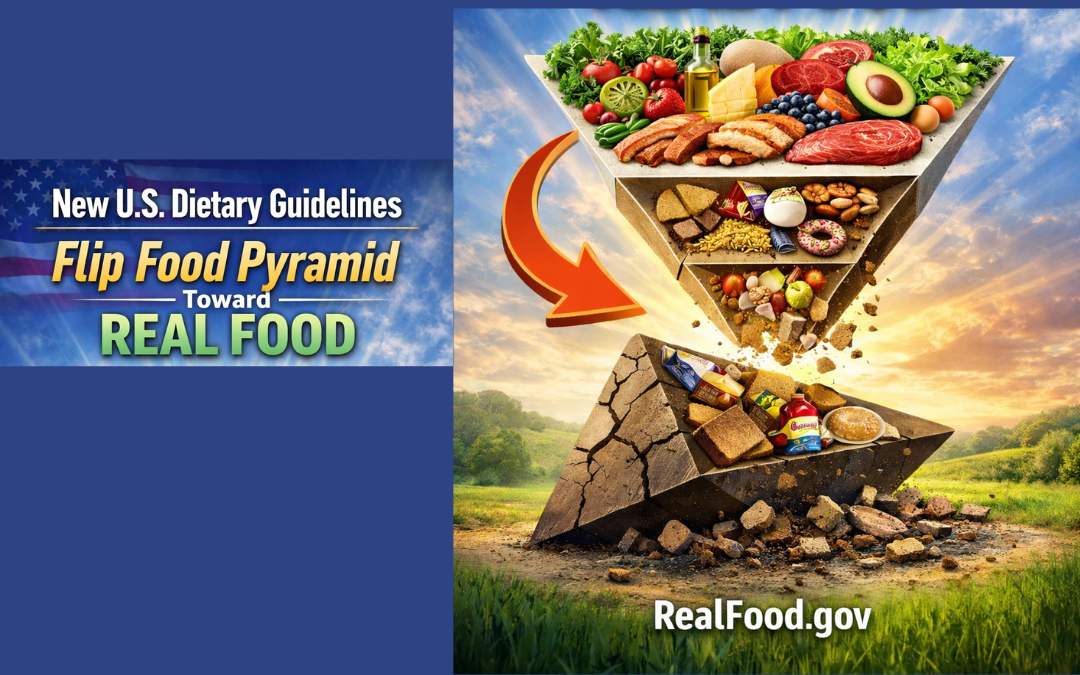
For decades, we were told that health meant avoiding fat, loading up on grains, and counting calories rather than prioritizing food quality. Those recommendations shaped school lunches, government nutrition programs, medical advice, and eating habits while rates of obesity, diabetes, and chronic disease steadily climbed. Now, a major shift is underway. The released new dietary guidelines introduce a reimagined food pyramid that places real, whole foods at the center of human health. This updated framework emphasizes protein, healthy fats, vegetables, and minimally processed foods, marking a decisive break from the low-fat, grain-heavy models of the past. This reset signals not just a change in graphics, but a fundamental rethinking of how nutrition policy influences public health.
How Flawed Nutrition Policy Fueled Chronic Disease
For decades, the old dietary recommendations emphasized low-fat eating, encouraged large daily servings of grains, and focused heavily on calories rather than food quality. Natural fats were discouraged, protein was often minimized, and highly processed foods were considered acceptable as long as they fit prescribed macronutrient ratios. This approach shaped school lunches, food labeling, and public health messaging nationwide.
These recommendations steered Americans toward a high-carbohydrate, low-fat model that ignored food quality and metabolic health. The promotion of refined grains as a dietary foundation, demonization of natural fats, and discouragement of protein coincided with sharp rises in obesity, Type 2 diabetes, insulin resistance, fatty liver disease, and cardiovascular risk.
A grain-heavy, low-fat, low-protein dietary model drives chronic disease by:
- Destabilizing blood sugar, spiking glucose and insulin, and promoting insulin resistance
- Encouraging excessive calorie intake without adequate nutrition
- Undermining metabolic regulation, satiety, muscle maintenance, and hormone balance
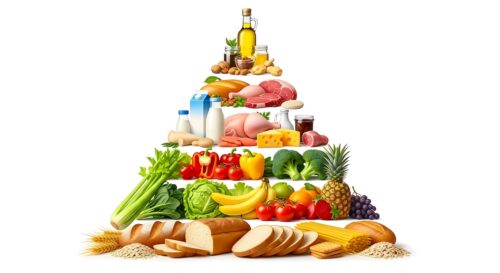
Plus, harmful highly processed foods were implicitly normalized since they “fit” macronutrient targets, opening the door for sugar-laden, industrial products to dominate grocery shelves, schools, and government programs. Rather than reducing chronic disease, this approach helped fuel it, leaving millions undernourished despite excess calorie intake, confused about what healthy eating actually looks like, and increasingly dependent on pharmaceuticals to manage preventable conditions.
What’s New: The “Upside-Down” Food Pyramid
In one of the biggest shifts in American nutrition policy in decades, the Department of Health and Human Services Secretary Robert F. Kennedy, Jr. and U.S. Department of Agriculture Secretary Brooke Rollins unveiled the new dietary guidelines for Americans – a new federal dietary framework, anchored by an updated food pyramid and a bold message: Eat Real Food.
It represents a dramatic departure from past federal nutrition advice and is designed to combat rising chronic disease, reduce added sugars and ultraprocessed foods, and put whole, nutrient-dense foods at the center of the American diet.
The most striking element of the updated dietary guidance is its inverted food pyramid graphic, flipping traditional nutrition advice on its head.
- Protein, healthy fats, vegetables, and fruit now occupy the top and most emphasized section
- Grains are placed toward the bottom — a reversal of previous food pyramid models
- It encourages a return to whole foods over processed products
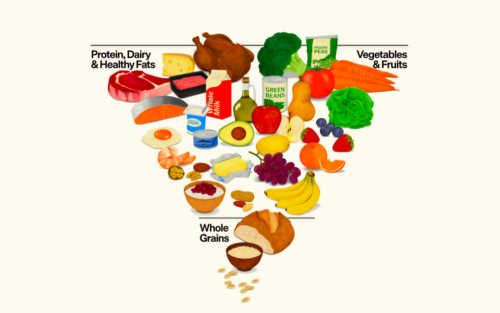
This new food pyramid signals a shift away from traditional carbohydrate-heavy models like MyPlate (which previously guided federal recommendations) and the old USDA food pyramid, while emphasizing real foods that are more protective against metabolic disease.
The official site RealFood.gov hosts the new guidelines and tools, framing the government’s stance as rooted in simplicity and common sense. The core guidance is designed to be easy to understand and actionable. The goal is to choose foods that are as close as possible to their natural state. This approach aligns with surging public interest in real food lifestyles, whole-food diets, and strategies for reducing processed food consumption.
Key Dietary Principles in the New Guidelines
The key principles in the new dietary guidelines promote health and disease prevention by restoring metabolic balance, nutrient adequacy, and hormonal regulation, which are foundational to long-term wellness. Emphasizing whole, minimally processed foods reduces exposure to added sugars, refined carbohydrates, and industrial additives that drive insulin resistance, inflammation, and oxidative stress.
Here is the key points of the new dietary guidelines:
Eat Real, Minimally Processed Foods
Officials stress prioritizing recognizable, whole foods prepared without industrial additives, refined sugars, or artificial ingredients, in favor of home-cooked meals and fresh produce.
Protein at Every Meal
Prioritizing adequate protein supports muscle maintenance, blood-sugar stability, immune function, and satiety. A central recommendation is to include quality protein sources, including eggs, meat, fish, poultry, and legumes, with every meal, targeting 1.2–1.6 grams of protein per kilogram of body weight per day.
Healthy Fats Are Encouraged
Healthy fats aid hormone production, brain health, and nutrient absorption. Debunking the myth that fats drive obesity and metabolic disease, the guidelines call for an end to the “war on fat.” Recommendations include healthy fats from whole foods like full-fat dairy, meats, eggs, omega-3–rich seafood, nuts, seeds, olives, avocados, olive oil, and even butter and beef tallow — in moderation.
Increase Vegetable and Fruit Intake
Since vegetables and fruits are essential for proper nutrition, they recommend 3 servings of vegetables and 2 servings of fruits per pay.
Avoid Added Sugars and Ultra-Processed Foods
For the first time in U.S. history, the federal dietary guidance explicitly urges Americans to avoid added sugars and ultraprocessed foods. These and toxic ingredients, which remain in the food supply thanks to the FDA, have been identified as major drivers of obesity, diabetes, hormonal imbalances, neurodevelopment disorders, and other chronic illnesses.
Whole Grains instead of Refined Carbohydrates
The idea is to prioritize fiber-rich whole grains instead of consuming highly processed refined carbs that provide no nutritional value. Significantly reduce the consumption of highly processed, refined carbohydrates, such as white bread, ready-to-eat or packaged breakfast options, flour tortillas, and crackers.
Hydration and Water First
Drink water as the primary beverage and reduce the consumption of alcohol. This emphasizes the role of hydration in overall health.
Why This Matters: Chronic Disease and Public Health
Federal officials have emphasized that dietary choices are key to addressing the nation’s chronic disease burden. These principles help regulate appetite, improve insulin sensitivity, reduce chronic inflammation, and support cardiovascular and liver health, addressing the root drivers of obesity, Type 2 diabetes, metabolic syndrome, and other chronic diseases rather than merely managing symptoms. These new dietary guidelines can be seen as a public-health response to the epidemic rates of obesity and chronic disease that affect large segments of the population.
School meals, government nutrition programs, educational materials, medical advice, and even military nutrition standards are expected to shift in response to this updated framework, marking a policy impact that will extend far beyond the cafeteria plate.
Conclusion
The release of the new dietary guidelines represents more than a policy update. It reflects a growing recognition that food quality matters more than calorie math. By moving away from refined grains, ultra-processed foods, and outdated fat-phobia, the new model aligns nutrition guidance with metabolic health, disease prevention, and common sense. If widely adopted, this real-food approach has the potential to reshape healthcare, dietary recommendations, and everyday eating habits. These health-conscious dietary guidelines based on science empower you to reclaim your health through simple, nourishing choices. After years of confusion and conflicting advice, the message is finally clear: eating real food, protein, healthy fats, and cutting processed foods should be a priority. Embrace these updated dietary guidelines that put nutrients first—so food becomes the foundation of your health, not the source of disease.
To a Fitter Healthier You,
The Fitness Wellness Mentor
About the Author
Adriana Albritton holds a Master’s degree in Forensic Psychology, is certified in personal training, nutrition, and detoxification, and is the founder of FitnAll Coaching and its accompanying blog. She is the author of 28 Days to a New Life: A Holistic Program to Get Fit, Delay Aging, and Enhance Your Mindset, and a coauthor of The Better Business Book Volumes II and III. With a background in mental health, Adriana brings a holistic, science-backed approach to wellness. She combines mindset coaching, fitness, and nutrition to help people stay lean, energized, healthy, and centered. As part of Health Six FIT, she’s also helping reshape healthcare through AI-driven, integrative wellness education.