
Once you understand what causes hormonal imbalances, the next question becomes: how do you actually fix them? The truth is, your body is designed to regulate and rebalance itself, but only when it’s given the right environment to do so. Quick fixes, restrictive diets, or relying solely on supplements are not how you balance your hormones naturally. It’s about addressing the foundational systems that control how your body functions every day. When you stabilize your blood sugar, manage stress, optimize sleep, nourish your body, and support detox pathways, you create the conditions for a hormone reset. This is where real, sustainable change happens. In this guide, you’ll learn a step-by-step, holistic approach to restoring hormonal balance so your body can perform, recover, and thrive the way it was meant to.
Holistic vs Conventional Approach
When it comes to balancing your hormones, the approach you take makes all the difference. A conventional approach often focuses on managing symptoms – using medications or quick fixes to address issues like fatigue, weight gain, or mood changes without fully addressing why those imbalances exist in the first place. While this can provide temporary relief, it may overlook the deeper root causes.
In contrast, a holistic approach looks at the body as an interconnected system, focusing on lifestyle factors like nutrition, stress, sleep, movement, and environmental exposures. Instead of isolating one hormone or symptom, you support the entire system so you achieve a hormone reset. This approach creates sustainable, long-term results by working with your body, not against it.
| Conventional Approach | Holistic Approach |
|---|---|
| Treat symptoms | Address root cause |
| Medications first | Lifestyle first |
| Isolated systems | Whole-body integration |
| Short-term fixes | Long-term optimization |
Without lifestyle changes, true balance is impossible long-term.
How to Restore Hormonal Balance Naturally
Balancing your hormones naturally starts with supporting the foundational systems that regulate your body every day. The goal is to create an internal environment where your body can restore balance on its own. By focusing on key areas like blood sugar stability, stress management, sleep, nutrition, movement, and targeted support, you address the root causes of imbalance and allow your hormones to function the way they’re designed to.
1. Prioritize Stress Regulation
You cannot out-supplement chronic stress, no matter how many “healthy” habits you stack on top. If you’re constantly overwhelmed, your body stays in a heightened state of stress, which disrupts your hormones, especially cortisol, and throws off your entire system.
To reset your hormones, you need to actively support your nervous system on a daily basis. This can look like incorporating breathwork to calm your body, spending time walking outdoors to reduce stress and improve mood, engaging in strength training without overtraining, earthing or grounding, and practicing other nervous system regulation techniques, such as heart coherence meditation or Joe Dispenza’s meditation, that help you shift out of “fight-or-flight” and into a more balanced, restorative state.
2. Stabilize Blood Sugar First
Another essential step to restoring hormonal balance naturally is stabilizing your blood sugar. This is non-negotiable. When your blood sugar is constantly spiking and crashing, it creates a ripple effect that disrupts multiple hormones, especially insulin and cortisol.
To support stability, you want to eat protein and healthy fats at every meal, which helps slow glucose absorption and keeps your energy levels steady. Avoid ultra-processed carbohydrates and sugary foods that trigger sharp spikes and also harm your mood and energy.
Instead, focus on whole, nutrient-dense options, and space your meals appropriately to allow your body to regulate insulin more effectively. Depending on your individual needs, incorporating intermittent fasting can further improve insulin sensitivity and metabolic balance.
3. Optimize Sleep Like It’s Medicine
Start treating sleep like it’s medicine to allow your body to repair, reset, and rebalance your hormones naturally:
- Going to bed before midnight helps align your body with its natural circadian rhythm, allowing for deeper, more restorative sleep
- Limiting blue light exposure at night, especially from phones and screens, supports your body’s ability to produce melatonin, the hormone responsible for regulating your sleep-wake cycle.
- Keeping a consistent sleep schedule trains your body to fall asleep and wake up more efficiently, improving overall sleep quality.
- Creating a dark, screen-free environment further enhances natural melatonin production, helping you fall asleep faster and stay asleep longer.
4. Support Detox Pathways to Balance Hormones Naturally
A hormone reset takes place when you help your body properly metabolize and eliminate what it doesn’t need, especially through your liver, which plays a central role in detoxification. If your detox pathways are sluggish, hormones and toxins can recirculate, leading to imbalances.
You can support this process by staying well hydrated to help flush out toxins, increasing your fiber intake to help bind and eliminate, and incorporating cruciferous vegetables like broccoli and kale, which contain compounds that aid liver detoxification.
Sweating regularly through exercise or sauna use is also essential. Sweating helps your body release toxins, further supporting efficient hormonal clearance.
5. Eat for Hormonal Health
When you eat for hormonal health, you focus on giving your body the nutrients it needs to produce, regulate, and balance hormones effectively. This means prioritizing whole, nutrient-dense foods that support your internal systems.
Include healthy fats like avocado, olive oil, and grass-fed meats to provide the building blocks for hormone production, along with high-quality protein to support metabolism and repair. Add fiber-rich vegetables to help regulate blood sugar and support detox pathways, and incorporate omega-3s to reduce inflammation and allow a hormone reset.
6. Incorporate Strength Training
When you incorporate strength training into your routine, you actively support your hormonal health from the inside out. Muscle is metabolically active, which means it helps your body use glucose more efficiently, improving insulin sensitivity and reducing the risk of blood sugar imbalances.
Strength training also naturally supports higher testosterone levels and stimulates the release of growth hormone, both of which are essential for muscle repair, fat loss, energy, and overall vitality. Over time, building and maintaining muscle creates a more balanced internal environment that allows your hormones to reset effectively.
7. Consider Targeted Supplementation
Targeted supplementation to your specific needs helps support your body and allows for a hormone rest. You’re not trying to “override” your body with supplements; you’re giving it the nutrients and compounds it needs to function and regulate hormones more effectively.
Start with foundational support:
- Magnesium plays a critical role in calming your nervous system, improving sleep quality, and helping regulate cortisol levels
- Omega-3 fatty acids help reduce inflammation, which is a major underlying driver of hormonal dysfunction, while also supporting brain health and cellular signaling
- Vitamin D acts more like a hormone than a vitamin and is essential for proper hormonal communication, immune function, and mood regulation, especially if you’re not getting enough sun exposure.
You can also incorporate adaptogens like medicinal mushrooms, ashwagandha and rhodiola, Tongkat Ali (for men), which help your body adapt to stress and regulate cortisol more efficiently. These herbs don’t just blunt stress; they help bring your system back into balance over time.
Beyond these basics, other key compounds can further support hormonal health: B vitamins, especially B6 and B12, are essential for energy production and neurotransmitter balance, which directly affect mood and stress hormones. Zinc plays a major role in testosterone production, immune function, and metabolic health. Selenium is critical for thyroid function, helping convert inactive thyroid hormone (T4) into its active form (T3).
If you’re dealing with blood sugar issues, compounds like berberine can help improve insulin sensitivity and stabilize glucose levels. For additional stress and sleep support, L-theanine can promote relaxation without sedation, while glycine can improve sleep quality and support detoxification pathways.
The key is to remember that supplementation should enhance, not replace, the foundations of sleep, nutrition, stress management, and movement. When used strategically, the right supplements can help fill in the gaps and accelerate your body’s ability to rebalance and function optimally.
The Hormone Hierarchy (What to Fix First)
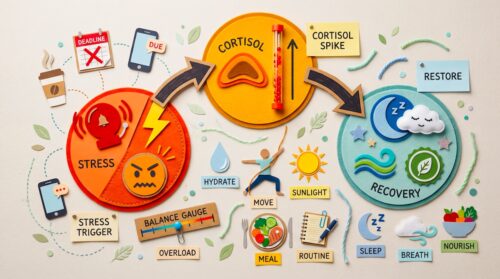
When it comes to balancing your hormones naturally, you don’t want to try to fix everything at once. You need a strategic approach. Your body follows a hierarchy, meaning some hormones must be addressed before others for true balance to occur.
You should start with cortisol, your primary stress hormone, because chronic stress can disrupt every other system in your body. Next, focus on insulin and stabilizing your blood sugar, since constant spikes and crashes will continue to throw your hormones off. From there, prioritize sleep and melatonin, as quality sleep is essential for hormonal repair and regulation.
Once those foundations are in place, you can support your thyroid, which controls your metabolism and energy. Finally, you can address sex hormones like estrogen and testosterone. When you fix the foundation first, your body often begins to restore balance naturally without needing to chase every individual hormone.
Hormonal Health & Longevity
When your hormones are balanced, you’re not just improving how you feel today; you’re actively influencing how well you age over time. Your hormonal health is directly tied to slower aging, better body composition, sharper cognitive function, and a lower risk of chronic disease.
When your body is in hormonal alignment, it can regulate metabolism more efficiently, preserve muscle, support brain health, and maintain overall resilience. Hormonal optimization isn’t just about short-term results. It’s about extending your healthspan so you can feel strong, clear, and capable for years to come.
Final Thoughts
Balancing your hormones naturally is about incorporating a holistic strategy that allows your body to rebalance itself. A hormone reset isn’t achieved through quick fixes or isolated solutions; it’s the result of consistently supporting your body from the inside out. The goal is alignment. By addressing key foundations like stress, nutrition, sleep, and movement, you allow your body to restore its natural rhythm and regulate itself the way it was designed to. When your internal systems are supported, your external results begin to reflect it: your hormones work for you instead of against you. This translates into better energy, improved body composition, enhanced mental clarity, and long-term vitality
To a Fitter Healthier You,
Mind-Body Optimization Specialist
About the Author
Adriana Albritton is a Mind-Body Optimization Specialist and the founder of FitnAll Coaching. She developed the FITNALL Method, a holistic framework that integrates fitness, internal health, thought patterns, nutrition, adaptation, longevity, and lifestyle habits to support sustainable fat loss and long-term wellness. Adriana is the author of 28 Days to a New Life: A Holistic Program to Get Fit, Delay Aging, and Enhance Your Mindset. She speaks and writes about holistic performance, longevity, and the integration of mind and body for optimal health.