

Hip pain can interfere with everything from walking and sitting to exercising and sleeping comfortably. Whether it’s caused by tight or weak muscles, poor posture, overuse, arthritis, injuries, or prolonged sitting, incorporating a hip pain relief routine can help restore balance, mobility, and strength in the hip area. Combining stretches for hip pain and strengthening moves improves flexibility, releases tension, and builds stability in the muscles that support the hip joint. When practiced regularly, these exercises for hip pain relief can alleviate discomfort, prevent future pain, and improve overall function and posture, enabling you to move freely. Below are the best exercises for hip pain relief that can be performed at home.
Figure 4 Stretch
The Figure 4 stretch, or piriformis stretch, is a highly effective stretch for hip pain. It targets the deep muscles of the hip, especially the piriformis, glutes, and surrounding external rotators. Tightness in these muscles can compress the sciatic nerve or cause imbalances that lead to hip and lower back discomfort. By placing the ankle over the opposite knee and gently pulling the leg toward the chest, you release tension in the hip joint, improve flexibility, and enhance range of motion.
The Figure-4 stretch also promotes better alignment of the pelvis and reduces stiffness caused by prolonged sitting or poor posture. Regularly performing this stretch can ease muscle tightness, improve circulation in the hip area, and support overall joint mobility, leading to reduced hip pain.
👉🏻 How to Do Piriformis Stretches
Butterfly Stretch
The butterfly stretch is an excellent stretch for hip pain. It opens and lengthens the inner thighs, groin, and hip flexors. By bringing the soles of the feet together and gently pressing the knees toward the floor, this stretch increases flexibility in the adductors and promotes mobility in the hip joints. It also helps release tension in the lower back and pelvis, improving circulation and reducing stiffness that can contribute to hip discomfort. The butterfly stretch encourages better posture and alignment, allowing the hips to move more freely and efficiently.
👉🏻 How to Do Butterfly Stretches
Lying Hip Flexor Stretch
The lying hip flexor stretch targets tight hip flexor muscles. It is an excellent exercise for hip pain relief for relieving hip pain because it gently lengthens these muscles. This stretch helps reduce tension in the hips and lower back, improves mobility, and restores proper pelvic alignment. Regular practice can also enhance flexibility, support better movement patterns, and prevent future hip strain.
👉🏻 How to Do Lying Hip Flexor Stretch
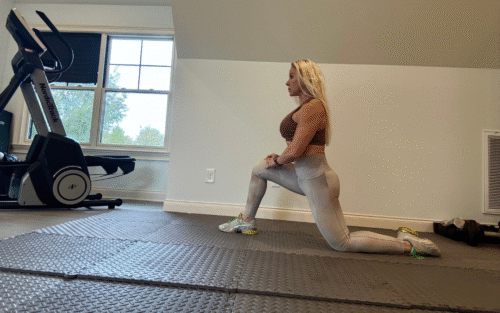
Tall Kneeling Hip Flexor Stretch
A great movement for hip pain relief is the tall kneeling hip flexor stretch. This stretch for hip pain targets the muscles at the front of the hip, primarily the iliopsoas, rectus femoris, and sartorius, which often become tight due to prolonged sitting or repetitive movements such as running or cycling. When these muscles shorten, they can pull on the pelvis and lower back, causing tension, misalignment, and pain in the hips or even radiating discomfort in the lower back.
Hip flexor stretches help restore flexibility, improve joint mobility, and rebalance the surrounding muscles, reducing strain on the hips and enhancing posture and movement efficiency. Doing this exercise for hip pain relief regularly can also prevent future discomfort by promoting better circulation and muscle function in the hip region
👉🏻 How to Do Tall Kneeling Hip Flexor Stretches
Glute Bridges
The glute bridge is an excellent exercise for hip pain relief. It strengthens the gluteal muscles, the gluteus maximus, medius, and minimus, which play a crucial role in stabilizing the hips and pelvis. Weak or inactive glutes can cause other muscles, such as the hip flexors and lower back muscles, to overcompensate, leading to tightness, imbalance, and pain around the hip joint.
Performing glute bridges helps activate and strengthen these key stabilizers, promoting better hip alignment and reducing strain on surrounding tissues. Additionally, the movement gently stretches the hip flexors and improves mobility in the hips and lower spine, enhancing overall balance and posture. Regularly incorporating glute bridges into your hip pain relief routine can help correct muscle imbalances, support proper movement mechanics, and prevent recurring hip discomfort.
👉🏻 How to Do Glute Bridge
Clamshells
The clamshell is a wonderful exercise for hip pain relief. It strengthens the gluteus medius and other small stabilizing muscles around the hips and pelvis. Weakness in these muscles can cause the knees to collapse inward and the hips to become unstable, leading to strain on the hip joint, lower back, and even knees.
The clamshell is a stretch for hip pain that isolates and activates those deep hip abductors, helping to improve pelvic alignment, balance, and joint support. Strengthening these muscles also reduces the load on overworked areas like the hip flexors and lower back.
👉🏻 How to Do Clamshells
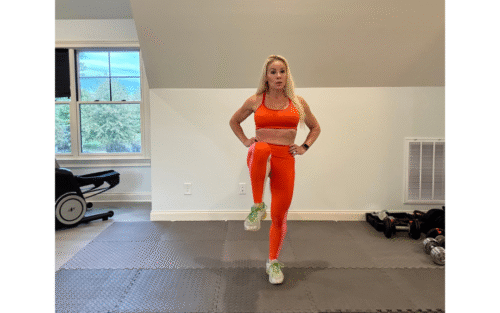
Standing Hip Flexion
Another exercise for hip pain relief is the standing hip flexion. It strengthens the hip flexor muscles, which are essential for stabilizing the pelvis and supporting proper hip function. Weak or underactive hip flexors can lead to imbalances that strain surrounding muscles and joints, contributing to discomfort and limited mobility.
By performing this stretch for hip pain, you engage not only the hip flexors but also the core and stabilizing muscles of the standing leg, promoting better balance and alignment. It also improves circulation and joint mobility in the hip area and enhances hip strength, stability, and range of motion.
👉🏻 How to Do Standing Hip Flexion
Standing Hip Circles
Another exercise for hip pain relief that you should incorporate into your hip pain relief routine is hip circles or controlled articular rotations. They gently mobilize the hip joint through its full range of motion, improving flexibility, circulation, and lubrication within the joint capsule. This stretch for hip pain is dynamic and loosens tight hip flexors, glutes, and surrounding stabilizing muscles that often become stiff from sitting or inactivity.
By engaging multiple muscle groups and promoting smooth, controlled motion, hip circles enhance joint stability and coordination while reducing tension and stiffness. They also help improve posture and pelvic alignment, which can alleviate pressure on the hips and lower back.
👉🏻 How to Do Standing Hip Circles
Seated Forward Fold
The seated forward fold is a beneficial stretch for hip pain. It stretches the hamstrings, glutes, and lower back while gently lengthening the muscles around the hips and pelvis. Tightness in these areas often contributes to restricted hip mobility and discomfort. By folding forward from the hips, this stretch releases tension in the posterior chain, helping to reduce stiffness and improve flexibility in the hips and lower spine.
The seated forward fold also promotes relaxation of the hip flexors and enhances blood flow to the lower body, aiding recovery and joint nourishment, helps correct postural imbalances, improves range of motion, and eases chronic tightness.
👉🏻 How to Do Seated Forward Folds
Donkey Kicks
Quadruped hip extensions or donkey kicks are an effective movement to add to your hip pain relief routine. They strengthen the gluteus maximus, hamstrings, and core, key muscles that stabilize the hips and lower back. Weak glutes can cause the hip flexors and lower back muscles to overwork, leading to tightness, imbalance, and discomfort in the hip area. The controlled lifting motion of donkey kicks helps activate and build strength in the posterior chain, improving pelvic alignment and joint stability.
The donkey kick also increases circulation and mobility in the hip joint while promoting better muscle balance between the front and back of the body. Regularly performing donkey kicks can reduce strain on the hips, enhance movement mechanics, and help prevent recurring pain by supporting stronger, more balanced hip function.
👉🏻 How to Do Donkey Kicks
Conclusion
Addressing hip pain doesn’t always require medication or invasive treatments. Often, consistent stretching and strengthening moves are enough to make a meaningful difference. Stretches for hip pain, such as hip flexor stretches, clamshells, piriformis, and butterfly stretches, and other exercises for hip pain relief like glute bridges, hip circles, work together to restore flexibility, improve stability, and support healthy hip alignment. Following this hip pain relief routine can alleviate stiffness, enhance joint mobility, and protect your hips from future discomfort. Over time, this proactive approach promotes long-term relief, better posture, and greater ease of movement in daily life.
Frequently Asked Questions
Some of the best exercises for hip pain relief include hip flexor stretches, glute bridges, clamshells, butterfly stretches, hip circles, and the rest of the movements described above. These movements help loosen tight muscles, strengthen weak areas, and improve joint mobility for lasting comfort.
Can stretching really help with hip pain?
Yes. Stretching increases flexibility, reduces muscle tension, and improves circulation around the hip joint. Regular hip stretches can ease stiffness, enhance range of motion, and prevent future pain caused by tight or imbalanced muscles.
How often should I do hip pain relief exercises?
For best results, perform hip-friendly exercises three to five times per week. Consistency is key—gentle daily stretching and strengthening can improve mobility and reduce discomfort over time.
Should I exercise if my hips hurt?
Light, controlled movement can actually help reduce hip pain by increasing blood flow and maintaining joint mobility. However, avoid any exercises that cause sharp or worsening pain, and consult a healthcare professional if symptoms persist.
What causes hip pain in the first place?
Common causes include tight and weak hip flexors, weak glutes, poor posture, arthritis, muscle imbalances, or sitting for long periods. Addressing these factors through stretching and strengthening exercises can help relieve and prevent pain.
Can yoga or Pilates help with hip pain?
Absolutely. Both yoga and Pilates focus on flexibility, balance, and core stability—all of which support healthy hips. Poses like the Seated Forward Fold, Figure-4 Stretch, and Butterfly Stretch are especially effective.
How long does it take to feel relief from hip pain with exercise?
Many people begin noticing reduced stiffness and improved mobility within a few weeks of consistent practice. However, long-term results depend on regular exercise, posture correction, and overall movement habits.
When should I see a doctor for hip pain?
If your hip pain is severe, lasts longer than a few weeks, or limits your daily activities, it’s important to seek medical advice. Persistent or worsening pain could indicate an underlying condition that needs professional treatment.
To a Fitter Healthier You,
The Fitness Wellness Mentor
About the Author
Adriana Albritton holds a Master’s degree in Forensic Psychology, is certified in personal training, nutrition, and detoxification, and is the founder of FitnAll Coaching and its accompanying blog. She is the author of 28 Days to a New Life: A Holistic Program to Get Fit, Delay Aging, and Enhance Your Mindset, and a coauthor of The Better Business Book Volumes II and III. With a background in mental health, Adriana brings a holistic, science-backed approach to wellness. She combines mindset coaching, fitness, and nutrition to help people stay lean, energized, healthy, and centered. As part of Health Six FIT, she’s also helping reshape healthcare through AI-driven, integrative wellness education.