Fasting has become one of the most researched and discussed health strategies in modern wellness, from fat loss and metabolic health to autophagy and anti-aging. Fasting benefits are now supported by a growing body of scientific literature. But what exactly is fasting? What are the different types? And what does research really say about its benefits? This evidence-based guide explores fasting benefits for fat loss, growth hormone (HGH), autophagy, longevity, and overall health.
What Is Fasting?
Fasting is the voluntary abstinence from calories for a specific period of time. It has been practiced for thousands of years for spiritual, religious, therapeutic, and health-related reasons.
Today, fasting is commonly practiced for a variety of purposes, including weight management, improving metabolic health, supporting cellular repair and anti-aging processes, enhancing mental clarity, and fulfilling religious or spiritual observances.
Unlike traditional calorie-restriction diets that primarily focus on how much you eat or what you eat, fasting emphasizes when you eat—structuring periods of eating and intentional abstinence.
Types of Fasting
Here are the most popular methods of fasting:
Intermittent Fasting (IF)
Intermittent fasting is the most popular fasting strategy worldwide. It cycles between eating and fasting periods. This method is widely studied and associated with weight loss, improved insulin sensitivity, and cellular repair.
Common IF methods:
- 16:8 Method: Fast for 16 hours, eat within an 8-hour window
- 5:2 Diet: Eat normally for 5 days; consume 500–600 calories on 2 days
- 24-Hour Fast: Fast for 24 hours once or twice per week
- Time-Restricted Eating (TRE): Limit food intake to a specific window daily, usually for 6–12 hours. The 16/8 method falls into this category.
Alternate-Day Fasting (ADF)
Alternate-day fasting involves alternating between fasting days and normal eating days. On fasting days, calories may be significantly reduced or eliminated. Research shows that ADF may improve weight management over time.
Extended Fasting (48–72+ Hours)
Extended fasting lasts longer than 24 hours. While research shows significant hormonal and metabolic shifts during longer fasts, these should be done cautiously and preferably under medical supervision due to potential nutrient depletion risks.
Religious Fasting
Many religions incorporate fasting traditions. For instance, muslims fast during Ramadan (dawn to sunset), christians fast during Lent, and hindus observe fasting on sacred holy days. Religious fasting may also confer metabolic benefits.
Science-Backed Health Benefits of Fasting
Fasting benefits include anti-aging, fat loss, improvements in metabolic health and growth hormone production, autophagy, reductions in inflammation and oxidative stress, and much more.
Weight Loss and Metabolic Health
Fasting can be used as a strategic tool for fat loss, improving body composition and metabolic health. By naturally reducing overall calorie intake, fasting creates an energy deficit that supports weight reduction. Fasting also causes metabolic shifts that support sustainable fat loss and long-term metabolic balance.
Research shows that fasting offers wide-ranging benefits across multiple health conditions. It improves insulin sensitivity, lowers fasting insulin levels, and enhances the body’s ability to access and burn stored fat for fuel—a process known as fat oxidation. Lower insulin levels allow the body to access stored fat more efficiently, supporting fat loss while preserving lean mass.
Human Growth Hormone (HGH)
One of the most significant hormonal changes that occurs during fasting is a sharp increase in human growth hormone (HGH). Research shows that after just three days of fasting, HGH levels can rise by more than 300%, and after seven days, increases of up to 1,250% have been observed. Even shorter fasts lasting two to three days may double or triple HGH levels.
GH surge is important because HGH plays a critical role in fat metabolism, muscle preservation, cellular repair, and anti-aging processes. Fasting helps optimize HGH production by reducing body fat and by lowering insulin levels -this is important since frequent insulin spikes suppress natural growth hormone release. Although prolonged fasting is not sustainable for most people, intermittent fasting offers a more practical approach to achieving many of these hormonal benefits.
Autophagy: Cellular Cleanup & Anti-Aging
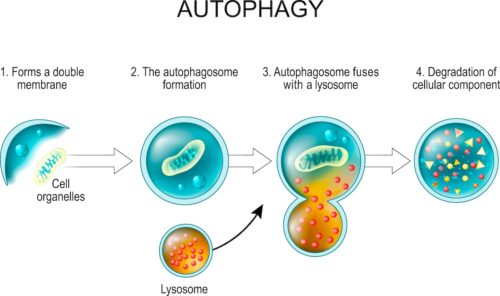
One of the most compelling anti-aging benefits of fasting is its ability to stimulate autophagy, the body’s internal cellular recycling system. During autophagy, cells break down and remove damaged components, misfolded proteins, and dysfunctional structures, allowing for renewal and improved cellular efficiency.
Fasting has shown to extend lifespan, slow down, and partially reverse cellular aging. It activates protective processes, which may reduce the risk of neurodegenerative diseases, support cancer-protective mechanisms, enhance cellular resilience, and slow aspects of biological aging. Because of its central role in maintaining cellular health, autophagy is widely considered one of the primary mechanisms behind fasting’s potential to promote longevity.
Reduced Inflammation and Oxidative Stress
Fasting has been shown to reduce inflammatory markers and oxidative stress. By allowing the body time away from constant digestion and insulin spikes, cellular repair processes become more active. This reduction in systemic inflammation is important since chronic inflammation is a root contributor to cardiovascular disease, Type 2 diabetes, cancer, neurodegeneration, and other conditions.
Improved Heart Health
Improving metabolic flexibility and insulin sensitivity supports overall heart health and reduces cardiovascular strain. Fasting may improve multiple cardiovascular risk factors, including blood pressure, LDL cholesterol, triglycerides, and inflammatory markers.
Brain Function and Neuroprotection
Fasting supports production of brain-derived neurotrophic factor (BDNF), a protein essential for neuron growth and cognitive function. Research suggests fasting may enhance mental clarity and focus, support memory, protect against neurodegenerative diseases, and improve stress resilience.
Longevity and Lifespan Potential
By regularly shifting the body from fed state to fasted state, fasting improves cellular resilience which is essential for healthy aging. This process promotes anti-aging through the following pathways: activating autophagy, increasing HGH, reducing inflammation, lowering insulin levels, enhancing metabolic flexibility, and improving mitochondrial efficiency.
Is Fasting Safe?
For most healthy adults, moderate intermittent fasting—such as daily fasting windows of 12 to 18 hours—is generally considered safe and sustainable when practiced appropriately. More prolonged or extended fasting protocols should only be undertaken under the guidance of a qualified healthcare professional to ensure safety and minimize potential risks.
Fasting is not appropriate for everyone. Consult a healthcare provider before fasting if you:
- have diabetes
- have a history of eating disorders
- take medications that require food intake
- have a chronic health condition (chronic kidney disease, liver disease, coronary artery disease – electrolyte shifts and dehydration can worsen these conditions)
Fasting is generally nor recommended for:
- Children & Adolescents: Children are in active growth and development phases. They require steady nutrient intake, adequate calories for growth, and stable blood sugar levels for cognitive function. Fasting (especially for extended periods) may interfere with growth, disrupt hormonal balance, affect concentration and mood, and increase risk of disordered eating patterns. Short overnight fasting (like 10–12 hours between dinner and breakfast) is normal and appropriate.
- Pregnant Women: Pregnancy significantly increases nutritional and caloric demands to support fetal development, placental function, maternal blood volume expansion, and hormonal regulation. Fasting during pregnancy may increase risk of hypoglycemia, elevate stress hormones, and potentially impact fetal growth if prolonged.
- Breastfeeding Mothers: Breastfeeding increases caloric needs by approximately 300–500+ calories per day. Extended fasting may reduce milk supply, affect energy levels, increase maternal nutrient depletion, and raise cortisol, which may influence milk production in some women.
Practical Starting Point
For beginners:
- Start with a 12-hour overnight fast
- Gradually increase to 14–16 hours
- Stay hydrated
- Prioritize nutrient-dense meals during eating windows
- Avoid binge-eating after fasting
Final Thoughts: Is Fasting Worth It?
Fasting is more than a weight loss trend. It is a metabolic tool deeply rooted in human biology. Fasting benefits go beyond promoting fat loss. Fasting improves insulin regulation, activates autophagy, optimizes hormones (including growth hormone), reduces inflammation, enhances cardiovascular health, supports brain function, and influences longevity pathways. When practiced responsibly, fasting can be a powerful strategy for improving metabolic health and supporting healthy aging.
To a Fitter Healthier You,
The Fitness Wellness Mentor
About the Author
Adriana Albritton has a Master’s in Forensic Psychology, certifications in personal training, nutrition, detoxification, and is the founder of FitnAll Coaching and blog. She is the author of 28 Days to a New Life: A Holistic Program to Get Fit, Delay Aging, and Enhance Your Mindset, and a coauthor of The Better Business Book Volumes II and III. With a background in mental health, Adriana brings a holistic, science-backed approach to wellness. She combines mindset coaching, fitness, and nutrition to help people stay lean, energized, healthy, and centered. As part of Health Six FIT, she’s also helping reshape healthcare through AI-driven, integrative wellness education.