
Strength training, also known as resistance training, is one of the most effective forms of exercise for improving overall health, enhancing body composition, and promoting long-term longevity. While many people associate strength training primarily with building muscle, its benefits extend far beyond physical appearance. Regular resistance training supports metabolic health, improves bone density, enhances mental well-being, and plays a key role in preventing chronic disease. This article delves into the top strength training benefits for health, fat loss, longevity, and much more.
What Is Strength Training?
In recent years, research has increasingly demonstrated that strength training benefits not only athletes or bodybuilders but is essential for people of all ages. From improving fat metabolism to supporting hormonal balance and protecting against age-related muscle loss, strength training serves as a foundational pillar of a holistic health program.
Strength training involves exercises designed to improve muscular strength, endurance, and power by working against resistance. This resistance may come from free weights such as dumbbells, barbells, resistance bands, weight machines, or bodyweight exercises like push-ups, squats, or lunges.
By progressively challenging muscles, strength training stimulates muscle fibers to adapt and grow stronger over time. Beyond increasing strength, this process also enhances neuromuscular coordination, improves joint stability, and strengthens connective tissues such as tendons and ligaments.
Are Americans Lifting?
The Centers for Disease Control and Prevention (CDC) recommends that adults engage in muscle-strengthening activities a minimum of two times per week. However, current statistics show that this recommendation is often ignored by people of all ages and races. According to the CDC’s analyzed data between 1998 and 2004, the percentage of adults engaging in the minimum amount of strength training required per week is not substantial.
- Only 14% of older men engaged in strength training
- only 10.7% of older women engaged in strength training in 2004 [elder population was defined as individuals’ age > 65 years old].
- Those that engaged in strength training the least were Hispanic – only 15.0% of Hispanic men and 9% of Hispanic women trained.
- On the other hand, the numbers showed that there was an increase in the population, overall, who engaged in strength training – from 17.7% in 1998 to 19.6% in 2004.
On average, those statistics indicate that not even one-quarter of the population lifts weights at least twice per week, which is the minimum amount required. This is an alarming fact but representative of our diseased and overweight society. In order to be fitter and live healthier lives, this trend must change!
Strength Training Improves Body Composition
One of the most recognized benefits of strength training is its ability to improve body composition by increasing lean muscle mass and reducing body fat. Muscle tissue is metabolically active, meaning it requires energy to maintain itself even when the body is at rest. As muscle mass increases, the body’s resting metabolic rate may also rise, allowing the body to burn more calories throughout the day.
Unlike extreme dieting, which often results in both fat and muscle loss, strength training helps preserve and build lean muscle while encouraging the body to use stored fat as fuel. This makes resistance training an essential component of sustainable fat-loss programs.
An Australian study revealed that a resistance training program showed reductions in central obesity and improvement of physical function. After completing an 8-week strength training program, there was a significant decrease in waist size, as well as a significant increase in lower-body and upper-body strength at the completion of 8 weeks. These results remained the same at a 16-week assessment and a 24-week follow-up.
Strength Training Boosts Metabolism
Strength training plays an important role in improving metabolic efficiency. During resistance exercise, muscle contractions increase energy demand, stimulating metabolic processes that support fat oxidation and glucose utilization.
Regular strength training can improve insulin sensitivity, which helps the body regulate blood sugar levels more effectively. Muscles act as major sites for glucose storage and utilization, meaning stronger muscles help remove glucose from the bloodstream and convert it into usable energy. Improved metabolic health not only supports fat loss but also reduces the risk of metabolic disorders such as insulin resistance and type 2 diabetes.
Strength Training Supports Fat Loss
For individuals seeking sustainable fat loss, strength training provides several key advantages. While cardiovascular exercise burns calories during the activity itself, strength training contributes to longer-lasting metabolic effects by increasing lean muscle mass. More muscle means the body requires more energy throughout the day, which supports a higher metabolic rate.
Strength training also helps preserve muscle mass during calorie deficits. Maintaining muscle is crucial for preventing metabolic slowdown and maintaining long-term fat-loss results. When combined with balanced nutrition, adequate sleep, and stress management, strength training becomes a powerful tool within a holistic fat-loss strategy.
Strength Training Enhances Bone Health
Strength training is also essential for maintaining strong bones. When muscles contract against resistance, they create mechanical stress on the bones. This stress stimulates bone-forming cells, promoting increases in bone mineral density.
Improved bone density helps reduce the risk of osteoporosis and fractures later in life. For this reason, resistance training is often recommended as a preventive strategy for maintaining skeletal health as we age. In addition, stronger muscles improve joint stability and help protect connective tissues, reducing the risk of injury during daily activities.
Strength Training Supports Healthy Aging
Beginning around the age of 30, adults naturally begin to lose muscle mass in a process known as sarcopenia. Without regular resistance training, this gradual decline can accelerate with age, affecting strength, balance, and mobility.
Strength training helps counteract these changes by preserving muscle mass and maintaining functional strength. This improves posture, balance, and coordination, helping individuals remain physically independent as they age. Because muscle plays a central role in metabolism, strength training also helps maintain metabolic health and energy levels throughout the aging process.
Strength Training Improves Mental Health
The benefits of strength training extend beyond the physical body. Regular resistance exercise can have powerful effects on mental health and emotional well-being. Exercise stimulates the release of endorphins and other neurotransmitters that support mood regulation and stress reduction. Strength training has also been associated with reduced symptoms of anxiety and depression.
Additionally, achieving strength goals—such as lifting heavier weights or completing challenging workouts—can enhance self-confidence and create a sense of accomplishment. These psychological benefits often translate into greater consistency with healthy habits, making it easier to maintain long-term wellness routines.
Strength Training Supports Hormonal Balance
Strength training influences several hormones involved in metabolism, muscle growth, and energy regulation. Resistance exercise can stimulate the release of hormones such as: growth hormone, testosterone, and insulin-like growth factor (IGF-1). These hormones play important roles in muscle repair, tissue regeneration, and fat metabolism.
In addition, regular strength training can help regulate cortisol levels, particularly when balanced with adequate recovery and proper nutrition. Healthy hormonal balance supports metabolic efficiency, improves body composition, and contributes to overall vitality.
Strength Training Helps Prevent Chronic Disease
Strength training has been recognized as an important lifestyle intervention for preventing and managing chronic disease. Resistance training can improve several health markers, including blood pressure, cholesterol levels, insulin sensitivity, and body fat distribution. These improvements help reduce the risk of conditions such as cardiovascular disease, type 2 diabetes, metabolic syndrome, and osteoporosis.
A 16-week study of sedentary older adults showed that strength training helped reduce triglycerides and total cholesterol (TC) levels, which lower the risk for coronary artery disease. Additionally, participants showed reductions in diastolic blood pressure, relevant to heart disease, and in markers of inflammation by 26%. At the same time, there were positive changes in body weight, waist circumference, and body mass index (BMI).
Because strength training positively influences multiple physiological systems—including muscles, bones, metabolism, and hormones—it is often described as a form of preventive medicine.
Strength Training Within a Holistic Health Framework
Although strength training offers many benefits on its own, its effects are even greater when integrated into a holistic health program. Optimal results occur when resistance training is combined with nutrient-dense nutrition, adequate protein intake, restorative sleep, stress management practices, and proper recovery.
These factors work together to support muscle repair, metabolic health, and long-term physical performance. From a holistic perspective, strength training is not simply about lifting weights—it is about strengthening the body as part of a broader lifestyle that promotes health, resilience, and longevity.
Even children benefit from resistance training, not only physically but psychologically. A study found that overweight children involved in a strength training program improved their fitness level and lost body fat. At the same time, they gained confidence and engaged in more positive social interactions.
Start Strength Training—No Excuses
If you are not currently incorporating strength training into your routine, there is no better time to start than now. Resistance training is one of the most beneficial forms of exercise for improving health, maintaining muscle mass, supporting fat loss, and promoting long-term vitality.
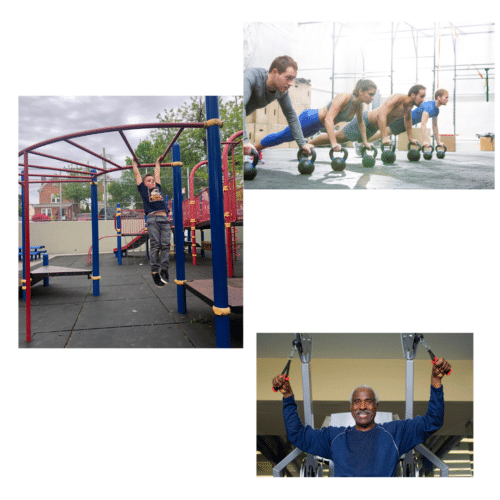
The truth is, strength training is for everyone, regardless of age, experience, or fitness level.
Busy professionals: You may feel like you do not have time, but the reality is that we all have the same 24 hours in a day. Strength training sessions do not have to be long to be effective. Even two or three short workouts per week can produce meaningful improvements in strength, metabolism, and overall health. Prioritizing your health is one of the most valuable investments you can make.
Women: Many women avoid strength training because they worry about becoming bulky or gaining excessive muscle. In reality, building large amounts of muscle requires very specific training strategies and nutritional support. For most women, resistance training simply helps create a leaner, stronger, and more toned physique while supporting bone health and metabolism.
Older adults: Age should never be a barrier to strength training. In fact, maintaining muscle and strength becomes even more important as we grow older. Regular resistance training can improve balance, protect joints, increase bone density, and help preserve independence and mobility for years to come.
Young people: Strength training can also benefit youngsters when performed safely and with proper guidance. Developing strength early in life supports physical development, improves coordination, and encourages lifelong healthy habits. Spending less time sitting in front of screens and more time moving the body can make a significant difference in long-term health.
Strength training does not require a gym membership or expensive equipment. The most important step is simply getting started. By making strength training a regular part of your lifestyle, you invest in your health, resilience, and long-term quality of life.
Conclusion
Strength training benefits extend far beyond the gym. Strength training is one of the most powerful tools available for improving metabolism and overall health, supporting fat loss, strengthening bones, supporting mental well-being, and promoting longevity. When incorporated into a balanced lifestyle that includes proper nutrition, restorative sleep, and effective stress management, strength training becomes a cornerstone of holistic health. Rather than focusing solely on aesthetics, it supports the body’s ability to function efficiently, maintain energy, and remain resilient throughout life. Whether the goal is to improve physical performance, enhance metabolic health, or support healthy aging, strength training offers a sustainable path toward long-term vitality and well-being.
Frequently Asked Questions About Strength Training
What are the main benefits of strength training?
Strength training improves muscle strength, increases lean muscle mass, boosts metabolism, supports fat loss, strengthens bones, and enhances overall physical performance. It also helps improve mental health, balance, and long-term mobility.
How often should you do strength training?
Most health organizations recommend strength training at least two to three times per week, targeting all major muscle groups. Beginners can start with two sessions per week and gradually increase frequency as strength and endurance improve.
Can strength training help with fat loss?
Yes. Strength training helps increase lean muscle mass, which raises the body’s resting metabolic rate and improves the ability to burn fat. When combined with proper nutrition and lifestyle habits, resistance training is one of the most effective strategies for sustainable fat loss.
Is strength training better than cardio for weight management?
Both forms of exercise offer benefits. Cardio helps burn calories during the workout, while strength training builds muscle and supports long-term metabolic health. A balanced program typically includes both resistance training and cardiovascular exercise.
Can beginners start strength training without going to a gym?
Yes. Many effective strength training exercises can be performed at home using bodyweight movements, resistance bands, or basic equipment like dumbbells. There are also classic exercises to build muscle for beginners.
Will strength training make women bulky?
No. Most women do not naturally produce enough testosterone to build large amounts of muscle mass. Strength training typically helps women develop a leaner, stronger, and more toned physique while supporting bone health and metabolism.
Is strength training safe for older adults?
Yes. Strength training is highly beneficial for older adults when performed safely and progressively. It helps maintain muscle mass, improve balance, strengthen bones, and support independence and mobility as people age.
How long does it take to see results from strength training?
Many people begin noticing improvements in strength and energy levels within three to four weeks of consistent training. Visible changes in muscle tone and body composition often appear after several weeks of regular exercise combined with proper nutrition.
Can strength training improve mental health?
Yes. Strength training can reduce symptoms of stress, anxiety, and depression by stimulating the release of endorphins and other mood-supporting neurotransmitters. Regular exercise also improves confidence and overall emotional well-being.
Is strength training important for long-term health?
Absolutely. Strength training helps maintain muscle mass, improve metabolic health, strengthen bones, and reduce the risk of chronic diseases such as diabetes and cardiovascular disease. For this reason, it is considered a key component of long-term health and longevity.
To a Fitter Healthier You,
Mind-Body Optimization Specialist
About the Author
Adriana Albritton is a Mind-Body Optimization Specialist and founder of FitnAll Coaching. She developed the FITNALL Method, a holistic framework that integrates fitness, internal health, thought patterns, nutrition, adaptation, longevity, and lifestyle habits to support sustainable fat loss and long-term wellness. Adriana is the author of 28 Days to a New Life: A Holistic Program to Get Fit, Delay Aging, and Enhance Your Mindset. She speaks and writes about holistic performance, longevity, and the integration of mind and body for optimal health.