An injury can interrupt your workouts, limit everyday movement, and make it harder to stay consistent with your fitness goals. Whether you’re new to exercise or an experienced lifter, learning how to prevent gym injuries is an essential part of training effectively. Small choices—such as checking your equipment, using controlled movements, and knowing when to ask for guidance—can make a meaningful difference. These five tips will help you approach your workouts with greater confidence and support your long-term progress.
Practice Safe Lifting Techniques
Once you’re at the gym, practicing safe lifting techniques is essential. This means using the correct form and keeping your weightlifting to a reasonable level. If you are trying to get stronger, it’s natural to want to push yourself. Yet, if you’re nearing exhaustion, you may be putting yourself at risk. Rest and recover before trying again.
As with any other kind of physical activity, it’s easy to overwork yourself if you’re not careful. Safety also relates to what you wear. Wear clothing that fits well and doesn’t get in the way of movement or provide an opportunity for skin abrasions or bruises. You should also be mindful of your footwear. Slippers shouldn’t be part of your gym gear, and you should buy sneakers when they are worn out and can’t fulfill their use.
Avoid Risky Equipment for Your Needs
Another tip to prevent gym-related injuries is to avoid using the wrong equipment for your needs or abilities. For example, if you’re doing heavy bench presses and don’t have a spotter, you could easily injure yourself if the weight is too much for you to handle. You may not be able to lift it up as many times as you think. Or when you do manage to lift it up, you might not be able to put it back down safely on the rack without dropping it. This could cause serious damage to your body.
Another example would be using dumbbells that are too heavy for your strength level. If they’re too heavy, they could slip out of your hands while exercising, such as bicep curls, and cause serious damage to yourself or others.
The gym should also mark or notify you if any equipment is out of service or not functioning properly. This will prevent you from using any equipment that may cause injury. However, if the gym hasn’t taken steps to protect users and it results in an injury, you can get in touch with Local Injury Lawyers to help you to get compensation.
Learn How to Use Gym Equipment
There are also times when you may be unsure how to use a piece of equipment properly. Don’t be afraid to ask for help from a trainer or fellow gym-goer. It’s better to err on the side of caution, especially if you’re new to working out. Improper use can lead to injury and even death in extreme cases.
If you’re unsure how to use a piece of gym equipment properly, ask a qualified trainer or gym staff member for a demonstration. Taking a few minutes to learn the correct setup is especially important when you’re new to working out or trying an unfamiliar machine. Improper use can lead to serious injury. Before starting, adjust the seat, pads, and safety stops to fit your body, and check that any adjustment pins are securely in place. Practice with light resistance first so you can learn the movement and maintain control before increasing the weight.
Get Sufficient Rest Between Workouts
Getting enough recovery days is another tip to prevent gym-related injuries. When you exercise, your body releases endorphins. These hormones help relieve pain, reduce stress, and make you feel invigorated. Even though they are great for you, these chemicals can prompt you to keep going and ignore pain.
At the same time, if you overdo it, you may have too much lactic acid buildup and feel extra fatigued and sore. These chemicals can be harmful if they are not given time to dissipate before another workout.
Exercising too much can also lead to muscle tears and strains. By giving yourself adequate rest between workouts, you will be able to recover from your first session and avoid these injuries. Plan recovery days around your workout intensity, and allow extra rest when soreness, fatigue, or reduced performance persist.
Use Personal Protective Equipment
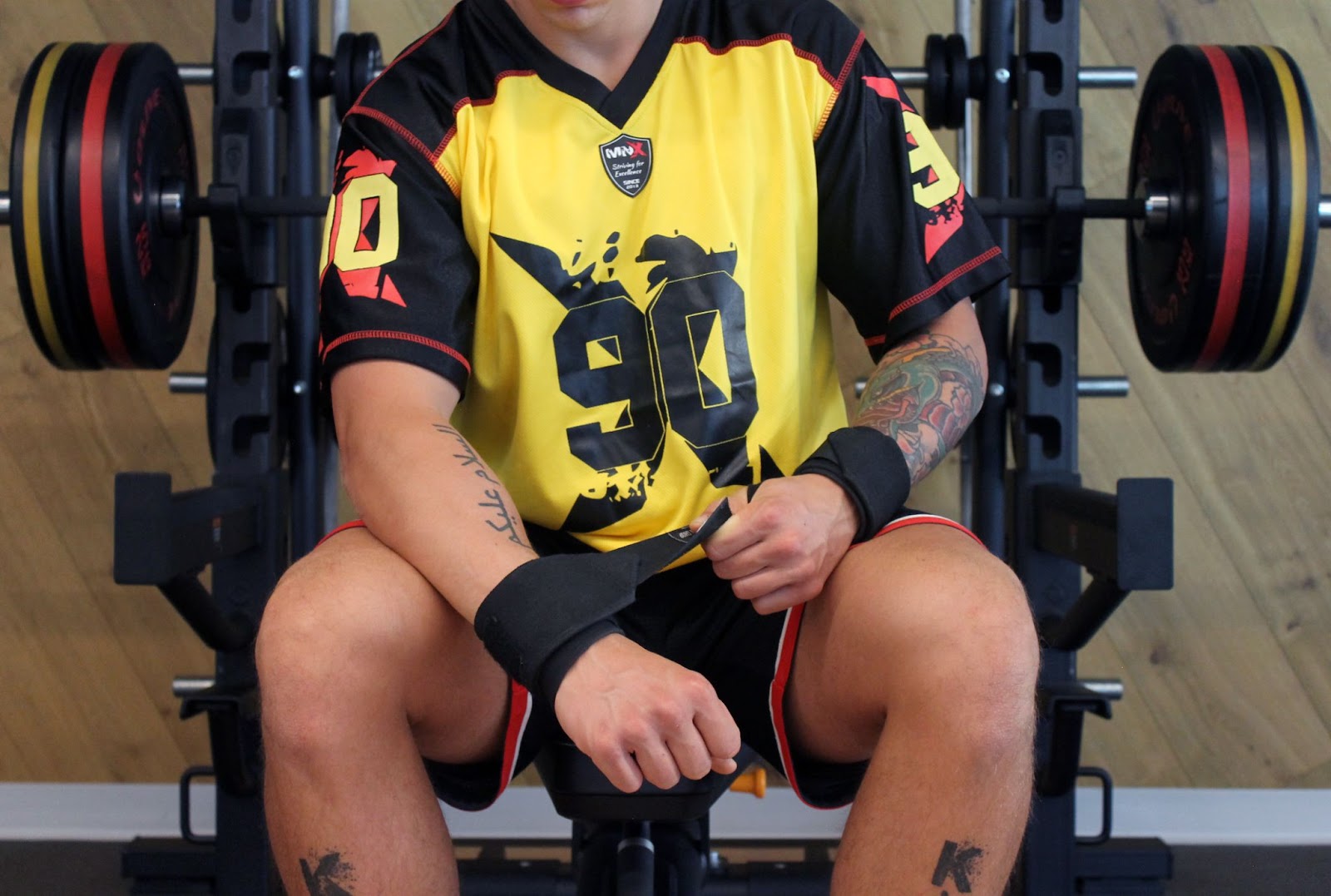
Personal protective equipment is a way to protect yourself from injury while working out, too. This equipment can include gloves, knee pads, weight lifting belts, and other accessories that help you stay safe while doing exercises.
It’s important to wear personal protective equipment when exercising because it helps prevent injuries from occurring. If you don’t wear the proper gear for your workout routine, there’s a chance that you’ll injure yourself during exercise.
Preventing gym injuries starts with making thoughtful decisions every time you train. Take time to prepare, learn how to use equipment correctly, and choose exercises and resistance that match your current abilities. Build these habits into your routine, and ask for qualified guidance whenever you’re unsure. A sustainable fitness journey depends on keeping your body capable of returning for the next workout—and continuing to get stronger over time.
👉🏻 If you’re struggling to see results, stay consistent, or create effective routines, don’t do it alone. A personalized program can offer the guidance, support, and accountability you need to reach your goals faster and with greater confidence. Reach out today—you’re closer than you think!
To a Fitter Healthier You,
Mind-Body Optimization Specialist
About the Author
Adriana Albritton is a Mind-Body Optimization Specialist and founder of FitnAll Coaching. She developed the FITNALL Method, a holistic framework that integrates fitness, internal health, thought patterns, nutrition, adaptation, longevity, and lifestyle habits to support sustainable fat loss and long-term wellness. Adriana is the author of 28 Days to a New Life: A Holistic Program to Get Fit, Delay Aging, and Enhance Your Mindset. She speaks and writes about holistic performance, longevity, and the integration of mind and body for optimal health.